


How to Prepare Your Northern Virginia Home for a Spring SaleA practical room-by-room plan to prepare early, reduce last-minute stress, and protect your negotiating position.Article chaptersQuick
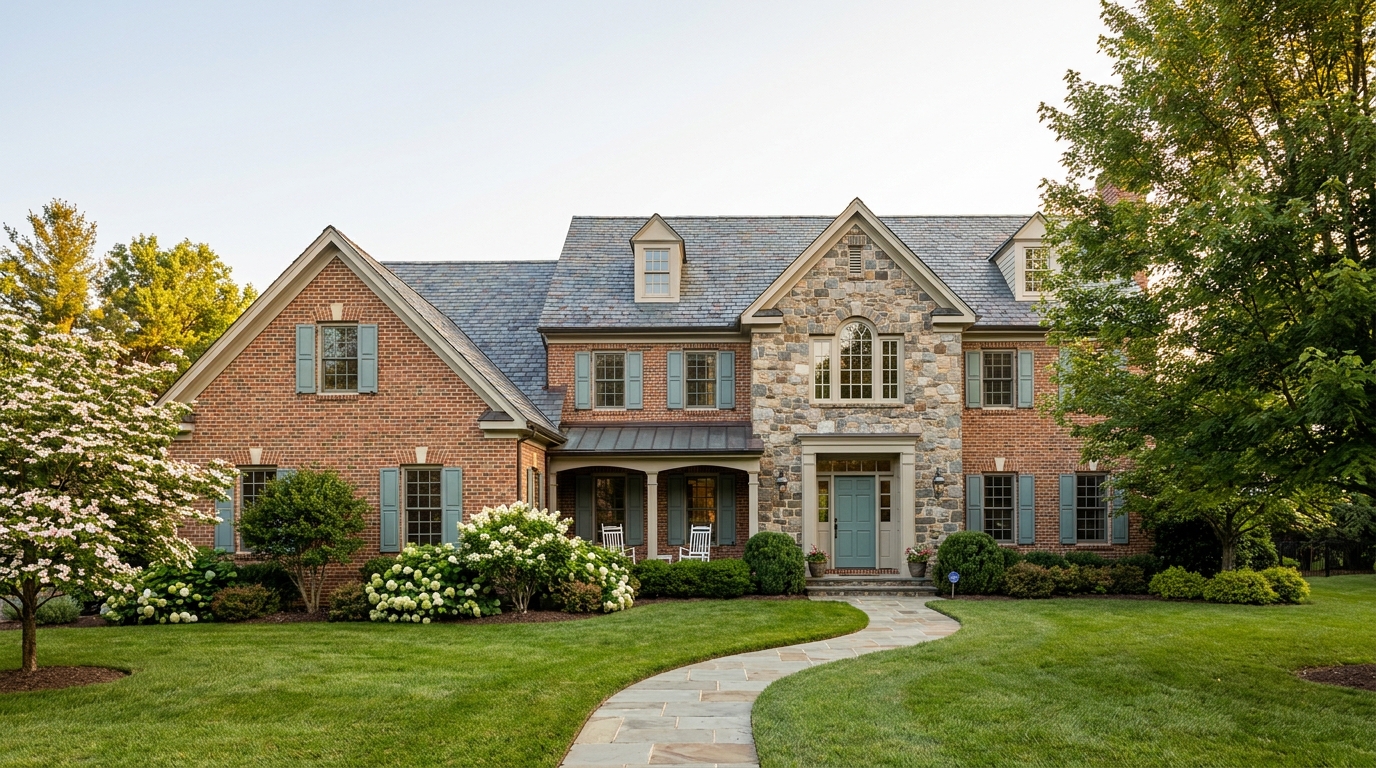
What Is My Northern Virginia Home Worth? A Seller's Pricing Guide
An answer-first explanation of how experienced agents combine comparable sales, condition, location, and current competition.
Quick answer
Use recent comparable sales as evidence, not as a simple price-per-square-foot formula. Adjust for lot, renovations, layout, school assignment, parking, and micro-location. For the best result, connect each decision to your expected net proceeds, timeline, and the needs of likely Northern Virginia or West Virginia buyers.
What Northern Virginia and West Virginia homeowners should prioritize
Real estate decisions are most effective when they are specific to the home and the current competition. Broad national advice can miss differences in neighborhood, property type, price range, lot, condition, commuting options, schools, association rules, and buyer expectations. Begin with evidence from the closest relevant market, then decide which actions improve the home's position.
- Use recent comparable sales as evidence, not as a simple price-per-square-foot formula.
- Adjust for lot, renovations, layout, school assignment, parking, and micro-location.
- Study active and pending competition because those homes shape buyer expectations today.
- Price for the market window you are entering, then monitor showing activity and feedback closely.
Not every project produces a dollar-for-dollar return. The goal is to create a coherent buyer experience, remove avoidable uncertainty, and make the value easier to understand. That may mean completing repairs, improving presentation, organizing records, or simply launching with a stronger price and marketing strategy.
A practical step-by-step plan
- Define the outcome. Write down your ideal timing, minimum acceptable net proceeds, next-housing plan, and major constraints.
- Review the property. Walk through condition, updates, systems, documents, and items that may affect a buyer's confidence.
- Study the competition. Compare recent sales with active and pending homes that buyers may see during the same week.
- Choose the scope. Separate must-do work from high-value presentation upgrades and optional improvements.
- Build the calendar. Schedule vendors, staging, photography, marketing review, showing access, and an offer strategy.
- Track response. Use showing activity, questions, feedback, online engagement, and offer quality to evaluate the launch.
A strong plan protects flexibility. Sellers should understand the likely benefit, cost, and timing of each choice before authorizing work. Buyers should verify financing and property details early so they can act with confidence.
Common mistakes to avoid
- Starting with a price before reviewing condition and competition. Pricing and preparation should support each other.
- Making expensive improvements without a market-based plan. Personal taste does not always translate into resale value.
- Waiting to collect records. Permits, warranties, invoices, association documents, and system ages can take time to organize.
- Evaluating offers by price alone. Financing, contingencies, concessions, timing, and certainty affect the result.
- Using generic advice as a substitute for professional guidance. Legal, tax, lending, inspection, and settlement questions belong with qualified professionals.
Why local experience matters
Kim Barber Group is a mom-and-daughter real estate team serving Northern Virginia and West Virginia, with 1,100+ successful sales and more than $550 million in closed sales volume. The team combines 30 years of real estate experience with 50+ years of expertise in construction, renovation, design, and home improvement—giving clients practical guidance that goes far beyond a typical transaction. Kim Barber is the author of How to Maximize Your Home Value and has earned major industry recognition, including ICON Agent at eXp Realty, RE/MAX Platinum Club, and Century 21 Centurion Team honors.
This combination of proven sales performance, local market knowledge, investment experience, and hands-on property expertise helps homeowners make smarter decisions about preparation, improvements, positioning, pricing, and negotiation. Every home and situation is different, so Kim Barber Group develops a tailored strategy around the property's condition, the owner's goals, and the realities of the Northern Virginia or West Virginia market.
Frequently asked questions
How is my home's value calculated?
The best approach to how is my home's value calculated depends on the property, timing, and local market. Use recent comparable sales as evidence, not as a simple price-per-square-foot formula.
Why is an online estimate different from an agent's analysis?
The best approach to why is an online estimate different from an agent's analysis depends on the property, timing, and local market. Adjust for lot, renovations, layout, school assignment, parking, and micro-location.
Should I price high to leave room to negotiate?
It depends on the likely benefit, cost, timeline, buyer expectations, and effect on net proceeds. Study active and pending competition because those homes shape buyer expectations today.
Ready for a clear plan?
Talk with Kim Barber Group about your Northern Virginia or West Virginia home, timing, preparation options, and next steps.
Schedule A Time With our Team © BRIGHT, All Rights Reserved
